
.jpg?v=1771838904602)


.jpg?v=1726067125914)



.jpg?v=1758208711116)

.jpg?v=1726068990210)

.jpg?v=1771414528570)
![[fill]](http://www.jaqueslondon.xyz/cdn/shop/files/96130-_1_05f13adb-488e-4d1d-80a0-dc302447e013.png?v=1760961295&width=500)
.jpg?v=1789399747882)
![A set of colorful wooden animal puzzle boards shown on a white background, including a blue elephant, a yellow duck with a gold fish, and a green frog in a blue pond. Loose matching puzzle pieces are scattered around. [fill]](http://www.jaqueslondon.xyz/cdn/shop/files/89442-Shopify.png?v=1789399633&width=500)

![Wooden educational clock with colourful numbers and shapes, accompanied by matching flashcards on a green background. [fill]](http://www.jaqueslondon.xyz/cdn/shop/files/89131-ShapeSortingClock-Shopify_1.png?v=1760447560&width=500)
.jpg?v=1754664111281)
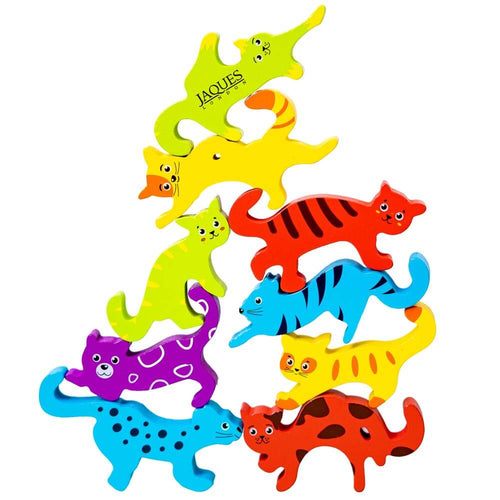

![Colorful wooden hammering toy with various cylindrical pegs and a red hammer on a transparent background [fill]](http://www.jaqueslondon.xyz/cdn/shop/files/90223LetsPlayHammeringBenchShopifyListing_1.png?v=1767960353&width=500)




.jpg?v=1728377042707)
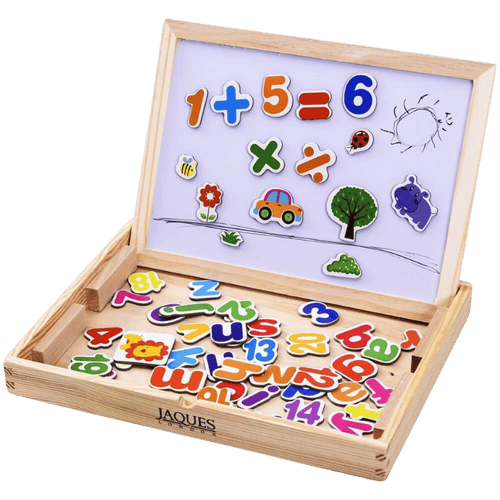


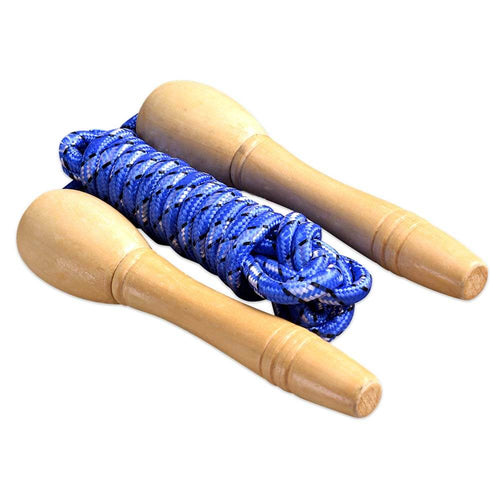
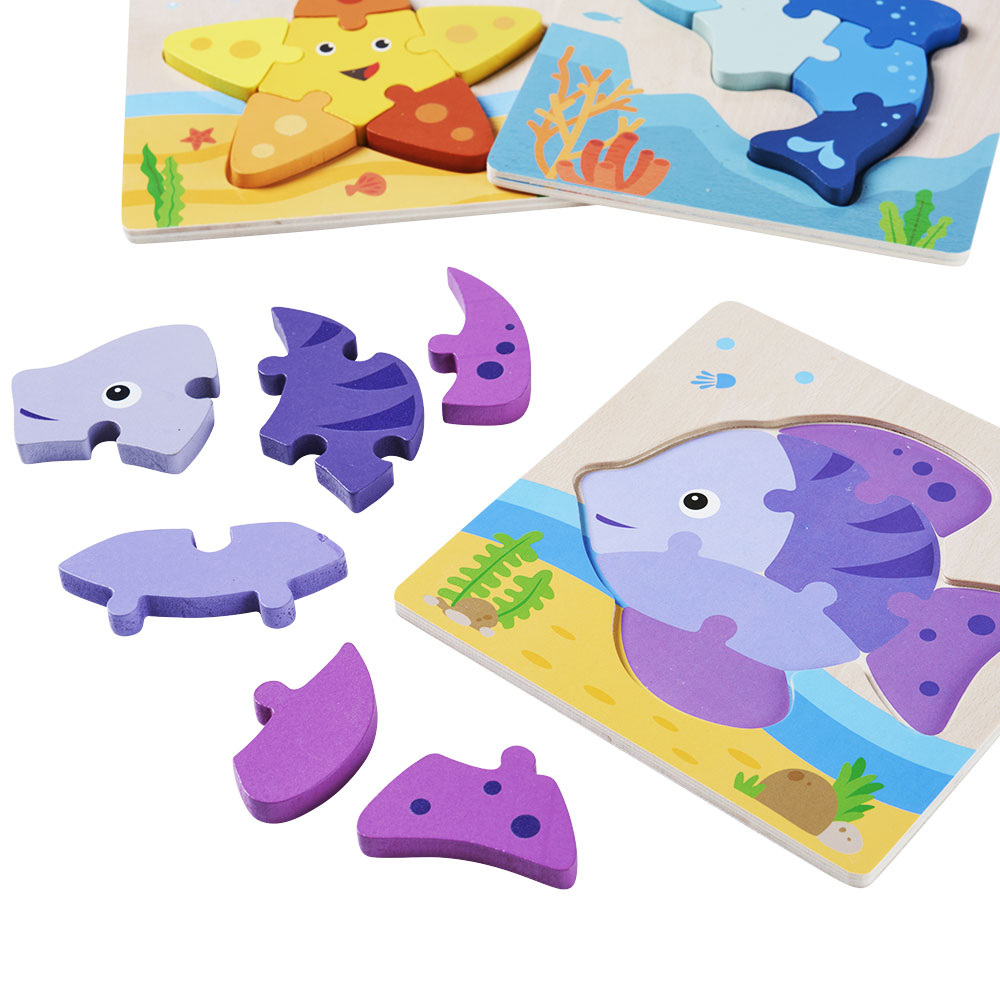


.jpg?v=1770382098520)
![Wooden puzzle with rabbit figures and clothing pieces in a box [fill]](http://www.jaqueslondon.xyz/cdn/shop/files/90252-Shopify_1000x1000px.png?v=1770378614&width=500)






Children toys: how to choose
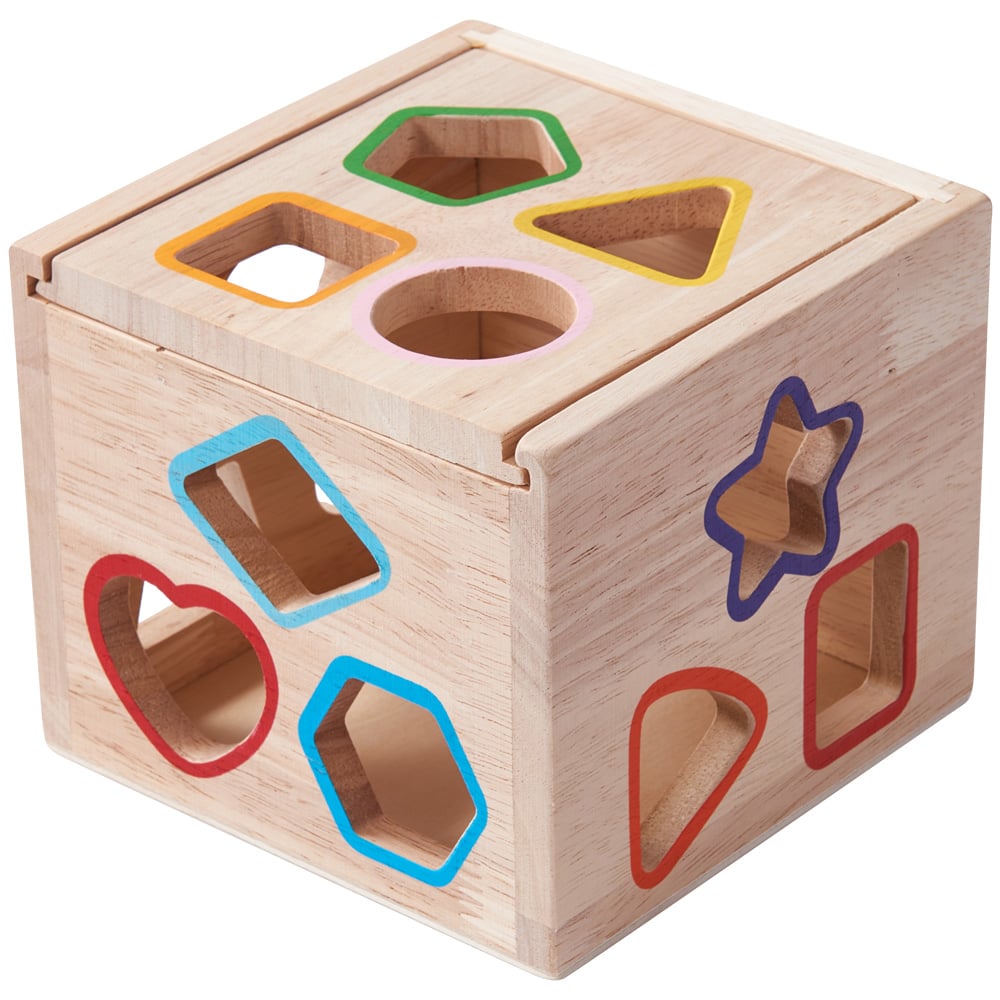
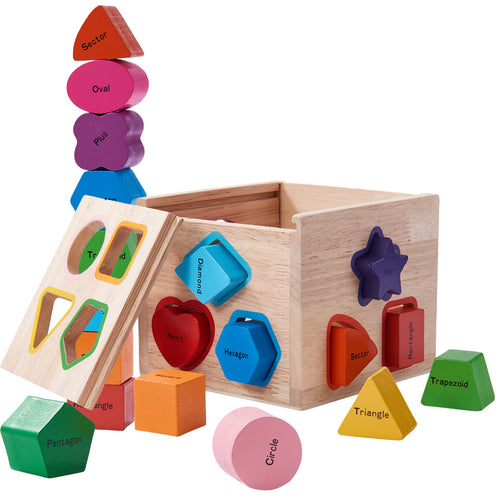
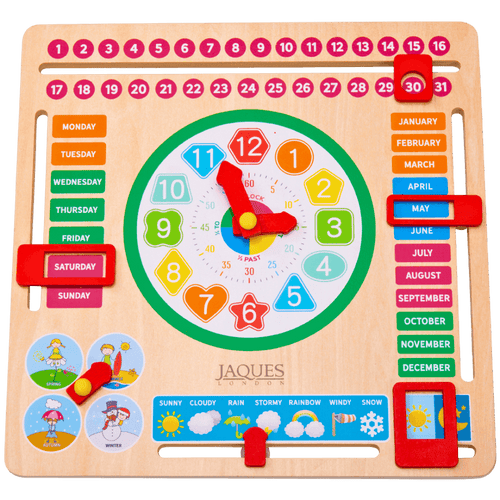
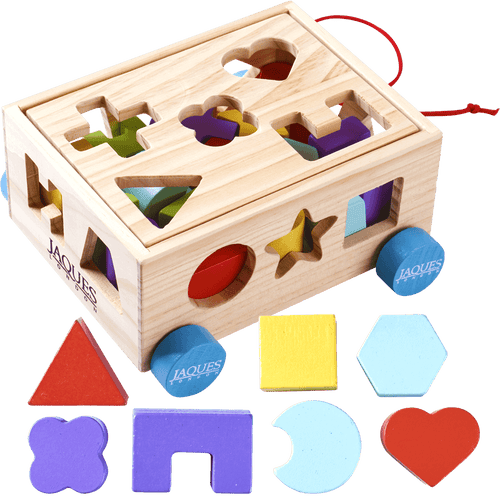
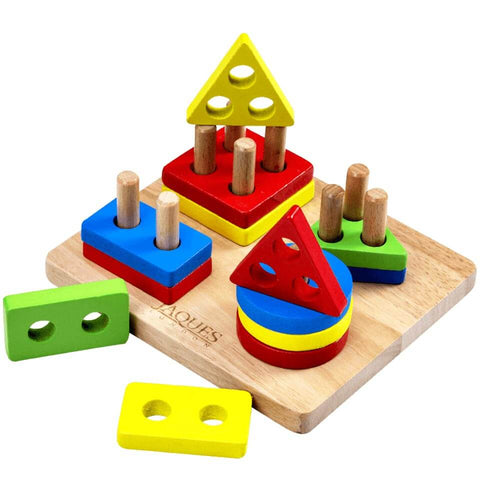
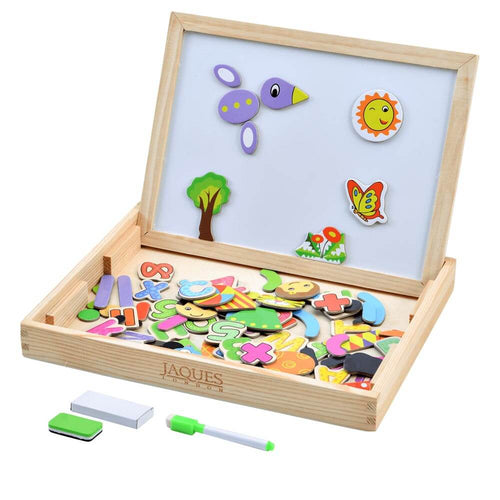
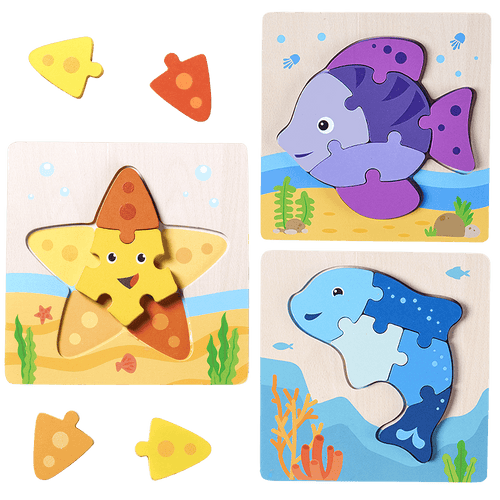
When choosing children's toys for kids of all ages, look for pieces that match a child's stage of development and that will keep working as they grow. This collection covers everything from early sensory play through to problem solving and pretend play, so toys like the Shape Sorter, Wooden Puzzle Game and Pretend Play Salon sit alongside imaginative sets like the Wooden Train Set and Children's Tea Set. Younger children benefit from simple cause and effect and colour recognition, while older ones move on to sorting, matching and early numeracy with toys such as the Teaching Clock and Magnetic Letters & Numbers.
When buying, check the age tag on each toy, look at what it is made from, and compare it against similar items in the collection to judge value. Many toys here are made from FSC approved wood, and a good number are plastic free, which matters to parents who want durable, natural materials in the toy box.
Jaques of London has made games and toys since 1795 and remains a family owned British company. Buying from this collection means UK based customer service and easy returns until 31 January 2027, so you can choose with confidence for birthdays, Christmas or simply expanding the toy box.
Written by Jaques of London, toy and games makers since 1795. Updated September 2026.
Why buy children toys from Jaques
| Other Retailers | ||
|---|---|---|
| Materials | Many toys are made from FSC approved wood | Often made from unmarked plastic of unknown origin |
| Age guidance | Every toy carries a suggested age tag | Often no clear age guidance |
| Reviews | 17,908 verified reviews, 4.8 average | Ask if independent reviews exist |
| Maker | Family owned British maker since 1795 | Ask how long they have been trading |
| Returns | Easy returns until 31 January 2027 | Ask what the returns window is |
Children toys: your questions answered
What are the best toys for boys in this collection?
Boys and girls both enjoy the same toys in this collection, as none are marketed by gender. Popular choices include the Toy London Bus, Fire Engine Toy, Wooden Train Set and Magnetic Crane Truck, all of which support imaginative play and motor skills through hands on building and role play.
What are the best toys for girls in this collection?
There is no separate girls range, as toys here suit any child. Favourites include the Pretend Play Salon, Wooden Makeup Set, Children's Tea Set and Pretend Bakery Board, which encourage pretend play and lifeskills through everyday role play scenarios.
What are good gift ideas for children in this collection?
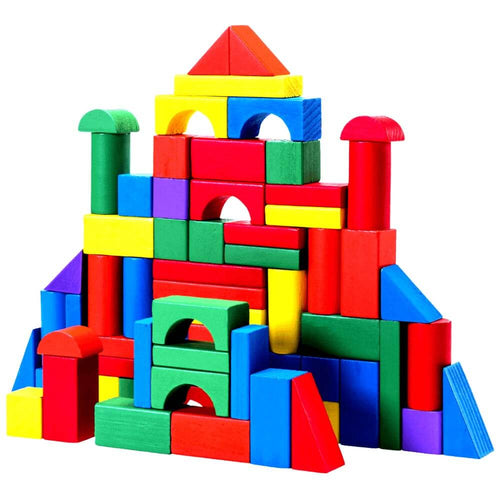
For gifts, consider the Wooden Train Set, Kids Building Blocks, Teaching Clock or Deluxe Shut the Box. These cover different ages and interests, from building and construction to early number skills, making them thoughtful presents for birthdays or Christmas.
What are the best toys in this collection?
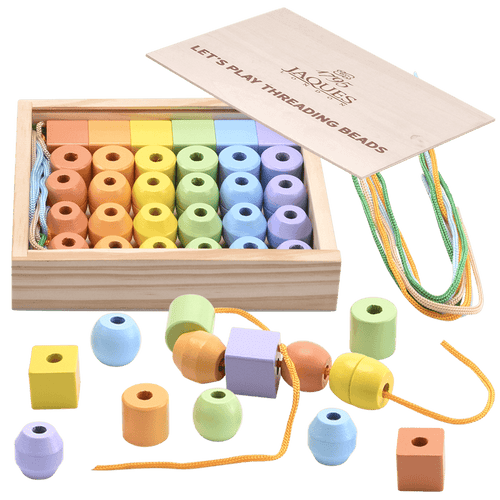
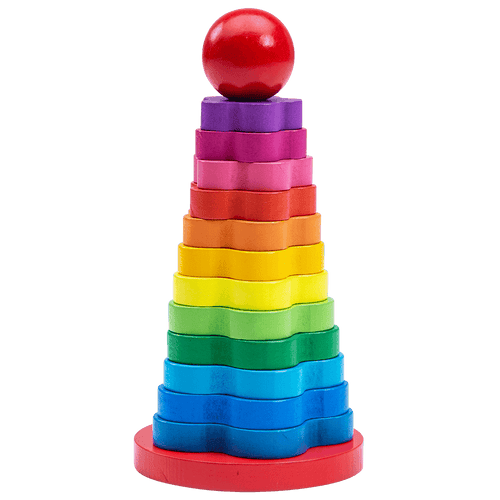
Best selling styles include the Shape Sorter, Wooden Puzzle Game, Stacking Rings Toy and Threading Beads. These toys are popular because they build motor skills and hand eye coordination while keeping children engaged through repeated play.
What wooden toys are available in this collection?
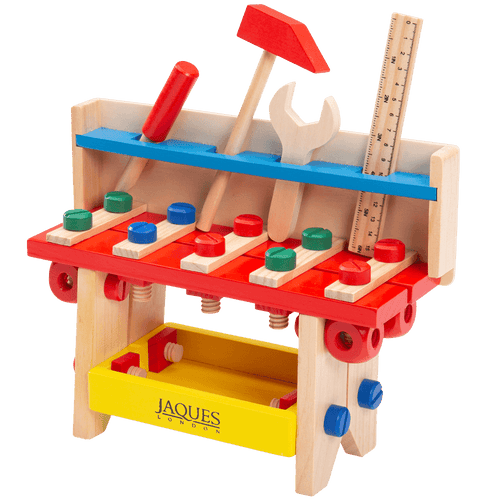
Wooden options include the Wooden Train Set, Wooden Hammer Bench, Wooden Xylophone, Wooden Tool Bench and Wooden Activity Cube. Many are made from FSC approved wood, giving parents a natural, durable alternative to plastic toys.
What are the most useful or interactive toys in this collection?
Interactive choices include the Magnetic Crane Truck, Fishing Game, Maze Game for Kids and Teaching Clock. These toys involve hands on problem solving and coordination, keeping children engaged rather than passively playing.
Are these toys suitable for toddlers?
Yes. Many toys in this collection are tagged for toddlers, including the Shape Sorter, Stacking Toy and Wooden Baby Blocks. These focus on colour recognition, sorting and fine motor skills, which suit early developmental stages well.
Do these toys help with learning?
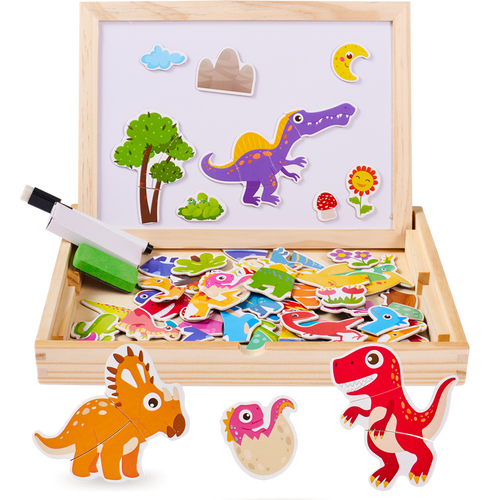
Yes. Toys such as the Teaching Clock, Magnetic Letters & Numbers and Learn to count are designed around key learning areas like counting, letters and problem solving, helping children build skills through everyday play at home.
Easy returns · Making toys and games since 1795 · Secure checkout